
Are you planning a trip to Northern Spain and wondering about the best places to visit in Basque Country? This fiercely independent region, known as Euskadi, offers a dramatic contrast to the sun-soaked plains of the south. From the avant-garde architecture of the Guggenheim in Bilbao to the world-class culinary scene of San Sebastián and the rugged “Dragonstone” cliffs of San Juan de Gaztelugatxe, the Basque Country is a land of mythic landscapes and ancient traditions. Whether you are looking for hidden coastal villages, Michelin-starred pintxo bars, or the emerald mountains of the interior, our comprehensive guide covers the top-rated destinations and secret spots you simply cannot miss
There are a lot of things to do in Basque Country, such as exploring the Guggenheim Museum in Bilbao, savouring delicious pintxos in San Sebastián’s old town, or venturing out to discover some of its hidden gems, such as the breathtaking San Juan de Gaztelugatxe. The cities are packed with tapas bars, and locals speak Euskera, a language unlike any you’ve heard before. It is an incredible part of the world to explore and we are here to help you find the best places to visit in Basque Country, Spain.
From the grandeur of its mountains to its breathtaking coastline, which is well-known among surfers, the Basque Country is renowned for its breathtaking natural scenery. There are numerous places in this region of Spain where visitors will find themselves surrounded by beauty, from rivers and waterfalls to well-preserved forests. The Basque Country, which spans the border between Spain and France, is known for its rugged beauty, world-renowned cuisine, and centuries’ worth of tradition, myths, and legends.
You will find a rich and proud culture here. Visiting Basque Country is a fantastic opportunity to immerse yourself in their culture and way of life. If you are not sure where to start or don’t want to miss the best places in Basque Country, be sure to follow our guide to the top Basque Country destinations.
Is Basque Country worth visiting?
Absolutely. The Basque Country is widely considered one of the most diverse and captivating regions in Europe. Unlike the arid landscapes of Southern Spain, this region is lush, mountainous, and rugged. It offers a unique blend of world-class modern architecture, ancient language, and a culinary scene that is arguably the best on the planet. Whether you are a hiker, a surfer, a history buff, or a foodie, the Basque Country provides an experience that feels distinct from the rest of the Iberian Peninsula.
How many days do you need in Basque Country?
To truly appreciate the region, you need at least 5 to 7 days. This allows for two days in Bilbao, two days in San Sebastián, and a few days to explore the coastal villages like Bermeo and Getaria. If you have 10 days, you can easily add the Rioja Alavesa wine region and the French Basque side (Biarritz and Saint-Jean-de-Luz) to your itinerary.
What is the best time to visit Basque Country?
The best time to visit is between May and September. During these months, the weather is warm and the days are long, making it perfect for coastal hiking and beach hopping. However, if you want to experience the famous Basque festivals without the peak summer crowds, June and September are the “sweet spots.” Be prepared for the sirimiri (fine rain) at any time of year, it is what keeps the landscape so beautifully green!
Is Basque a country or a part of Spain?
This is a nuanced question. Politically, the Basque Country (Euskadi) is an Autonomous Community within Spain. However, it is also a distinct cultural and linguistic region that spans across the border into France. Many locals identify primarily as Basque rather than Spanish or French. It has its own parliament, police force, and tax system, making it one of the most self-governed regions in Europe.
What is Basque Country best known for?
The Basque Country is world-renowned for three things: Gastronomy, Guggenheim, and Geoparks. It has one of the highest concentrations of Michelin stars per capita, famous for its pintxos and Txakoli wine. Architecturally, it is famous for Frank Gehry’s Guggenheim Museum Bilbao, and geographically, it is known for its wild Atlantic coastline and the ancient Flysch cliffs in Zumaia.
Is Basque Country safe for tourists?
Yes, it is one of the safest regions in Spain. Crime rates are very low, and the cities are generally safe to walk around at night. As with any popular tourist destination, you should keep an eye on your belongings in crowded areas like San Sebastián’s Old Town, but overall, it is an exceptionally welcoming and secure place for families and solo travellers alike.
How to get to Basque Country?
The region is well-connected by international airports in Bilbao, San Sebastián, and Biarritz. However, for those travelling from Ireland or the UK, one of the most scenic and practical ways to arrive is by sea.
Our Experience with Brittany Ferries:
We chose to take the Brittany Ferries route from Rosslare to Bilbao, and it was a total game-changer for our trip. The crossing is comfortable and relaxing, but the real advantage is being able to bring your own car. Having our own vehicle allowed us to escape the city centres and explore the hidden coastal hermitages and mountain villages that are difficult to reach by public transport. It also meant we could stock up on local Rioja wine and Basque cider to bring home without worrying about luggage weight limits!
The Best Places to Visit in Basque Country
Bilbao
You would be forgiven for thinking that Bilbao is the capital of Basque Country. It is the largest and the most renowned city of Basque Country but it does not hold the title of capital. That accolade goes to Vitoria-Gasteiz, but more on that later.
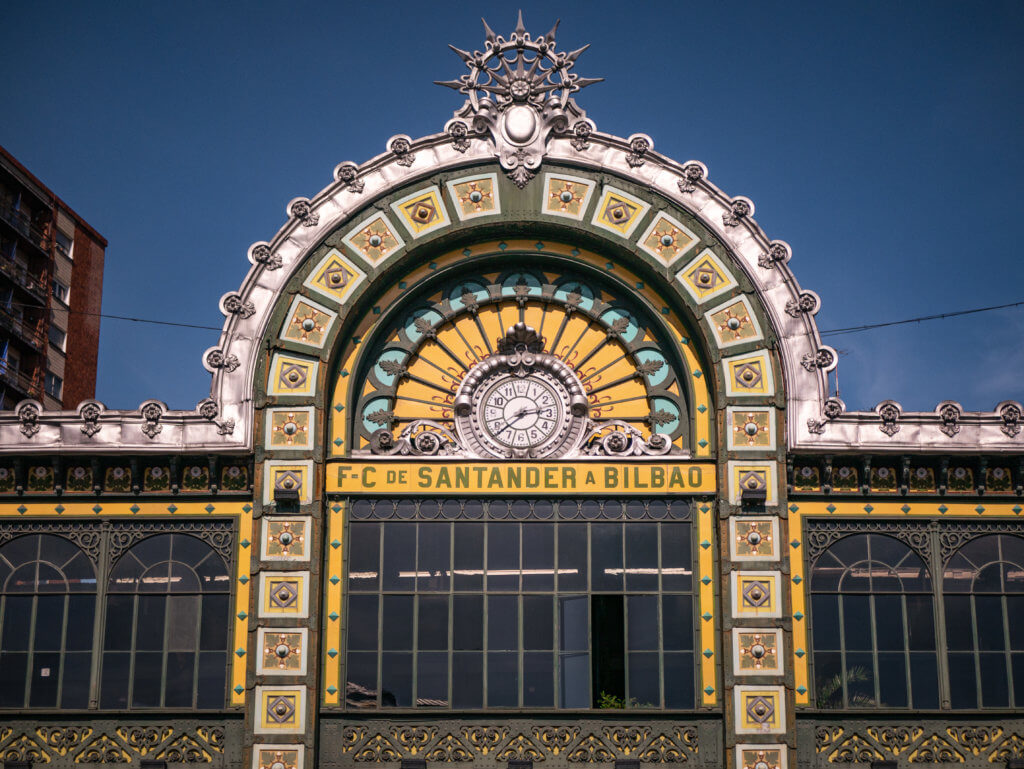
Bilbao is located on the coast, and the city is surrounded by rolling green hills. It is the most cosmopolitan of the cities in the region, and it is constantly evolving while still managing to retain its heritage. It was originally an industrial city due to its location on the coast and iron ore mining. It prospered in steel production, shipbuilding, and banking. The city had turned into a gray smokestack by the 1970s, and a severe economic downturn had already begun. Something needed to change, and a new plan for the city’s rebirth was devised. In order to improve infrastructure and the overall growth of the city, new projects were initiated, and old industrial complexes along the Nervión River were demolished.
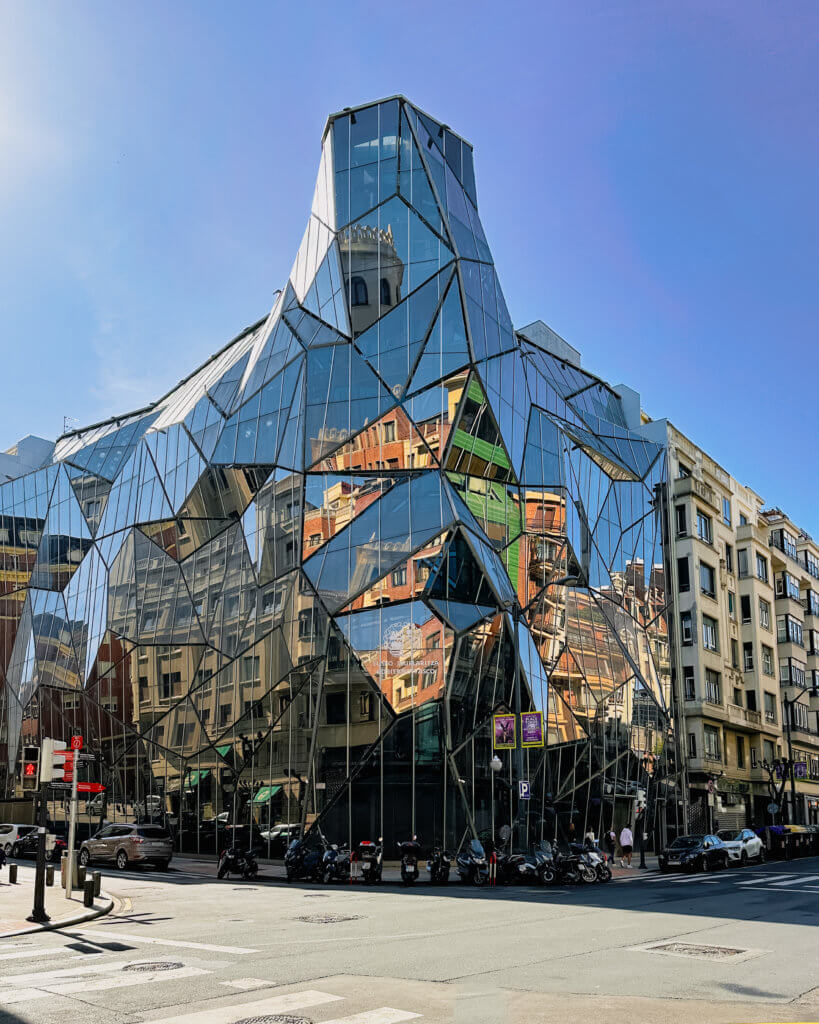
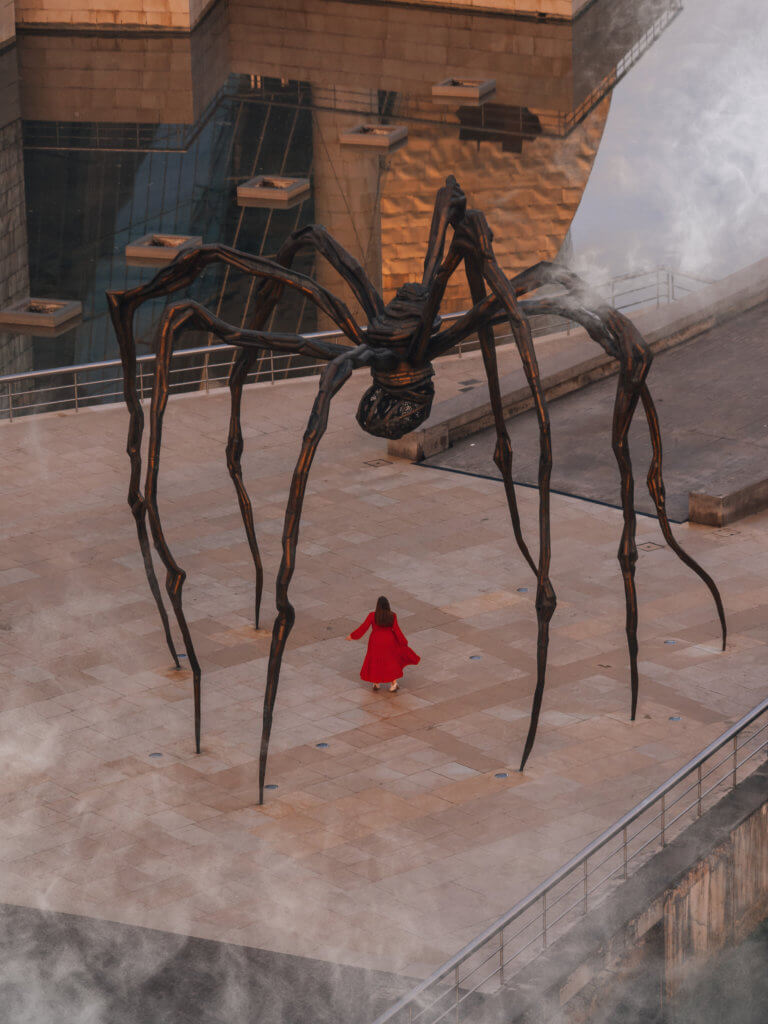
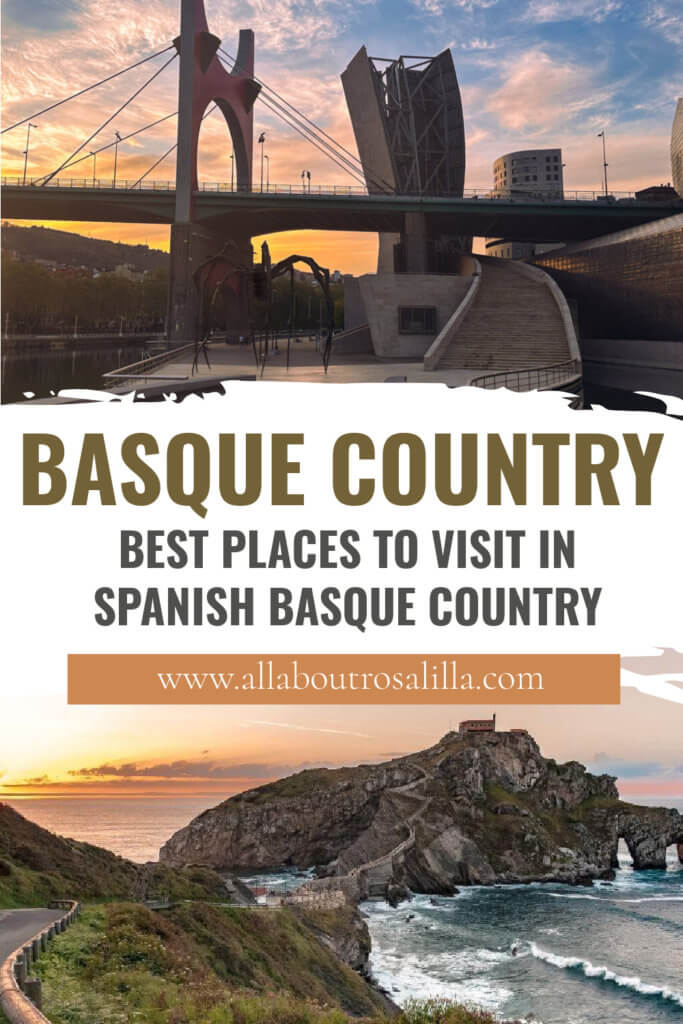
Today Bilbao is a sophisticated and vibrant city. One of the main attractions of the city is the incredible Guggenheim museum, easily recognisable by its Frank Gehry-designed futuristic exterior. It is worth taking the time to appreciate this properly from outside before you visit. The bridge next to it has great views, as does the other side of the river, and there are some impressive sculptures, such as Jeff Koons Puppy and Maman by Louise Bourgeois, to enjoy. However, the inside is absolutely worth a visit as well, hosting one of the best modern art collections in Spain as well as regular cultural events.
Make sure to book your skip the line Guggenheim tickets before you visit.
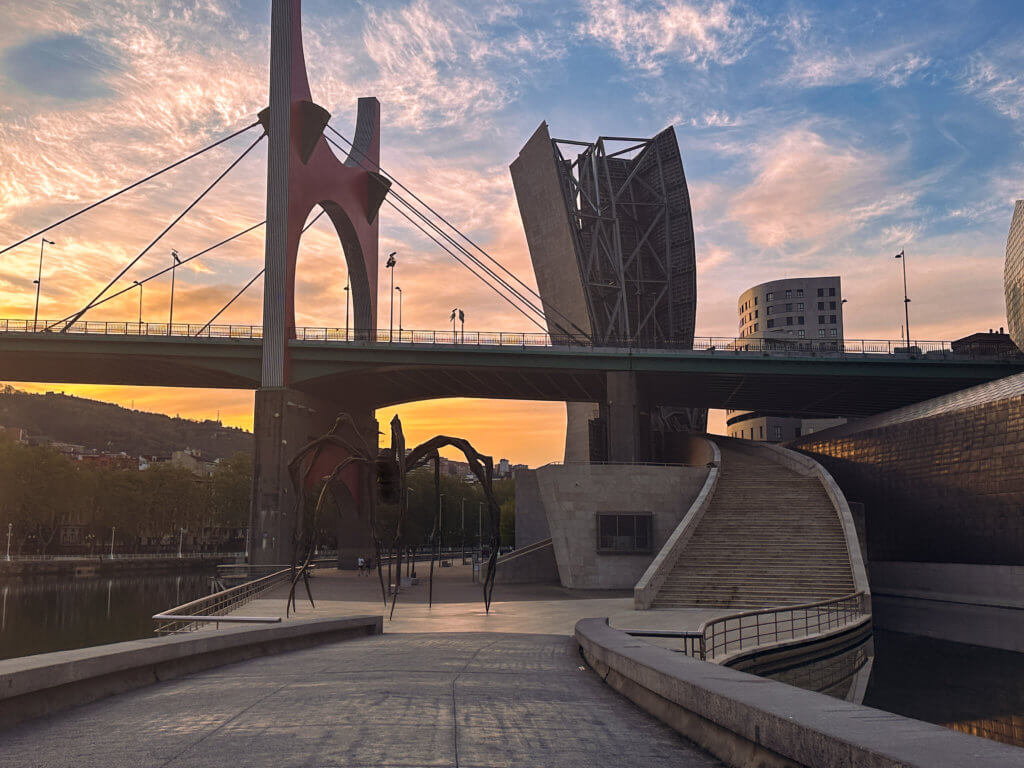
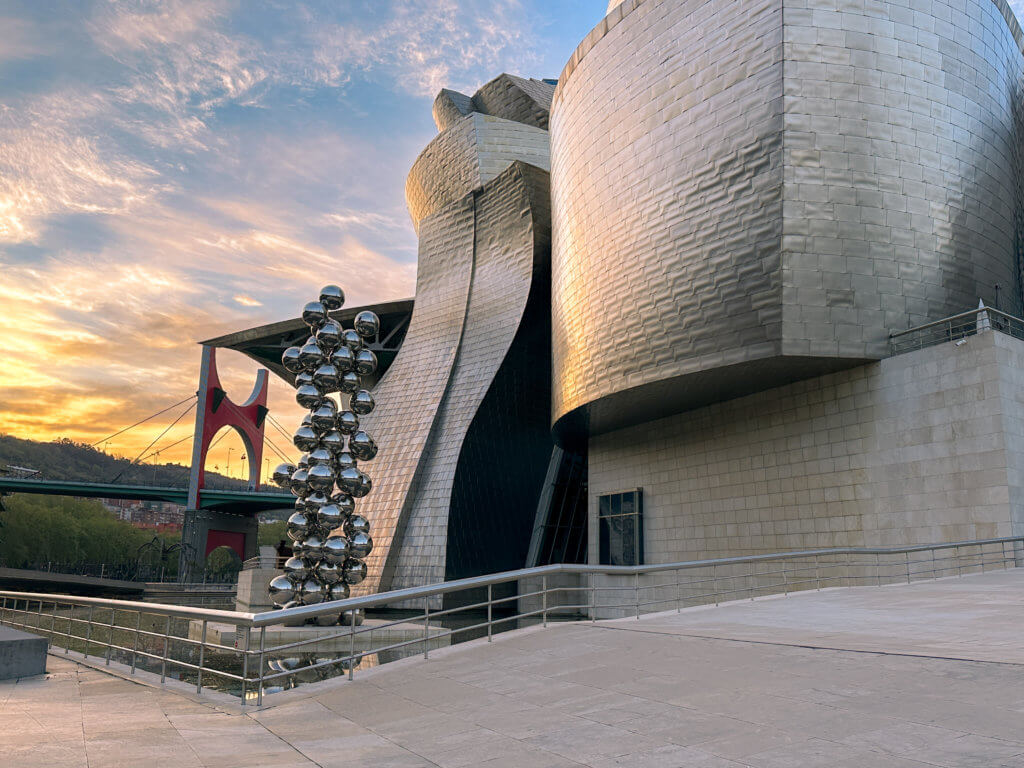
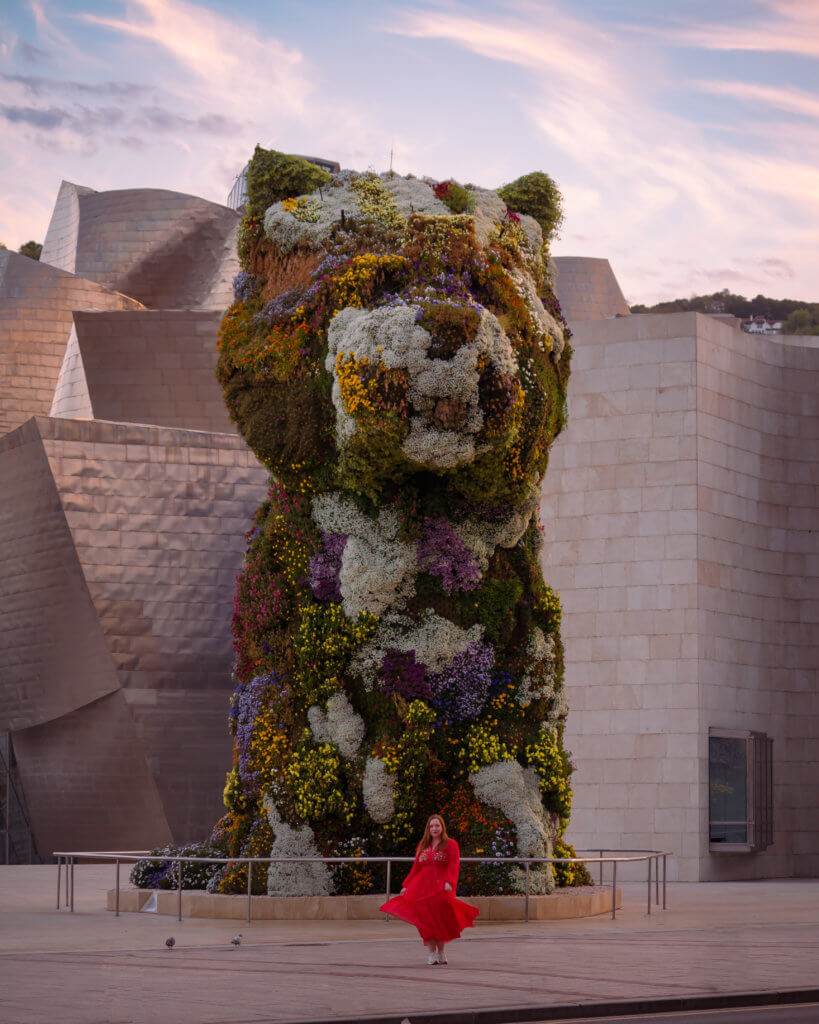
The old town of Bilbao is arguably one of the top places to visit in the Basque Country to get a true sense of the history and architectural mastery of this magnificent area of Spain. Be sure to roam the original seven streets of Bilbao, known as Las Siete Calles, which date back from the 1400s!
Bilbao is one of the best places in Basque Country to visit and has lots to offer tourists in the city. Whatever you are looking for, whether it be the famous Basque gastronomy, shopping, nightlife, or Basque culture, you will find it here in Bilbao. Read our one day in Bilbao itinerary to help you plan your trip.
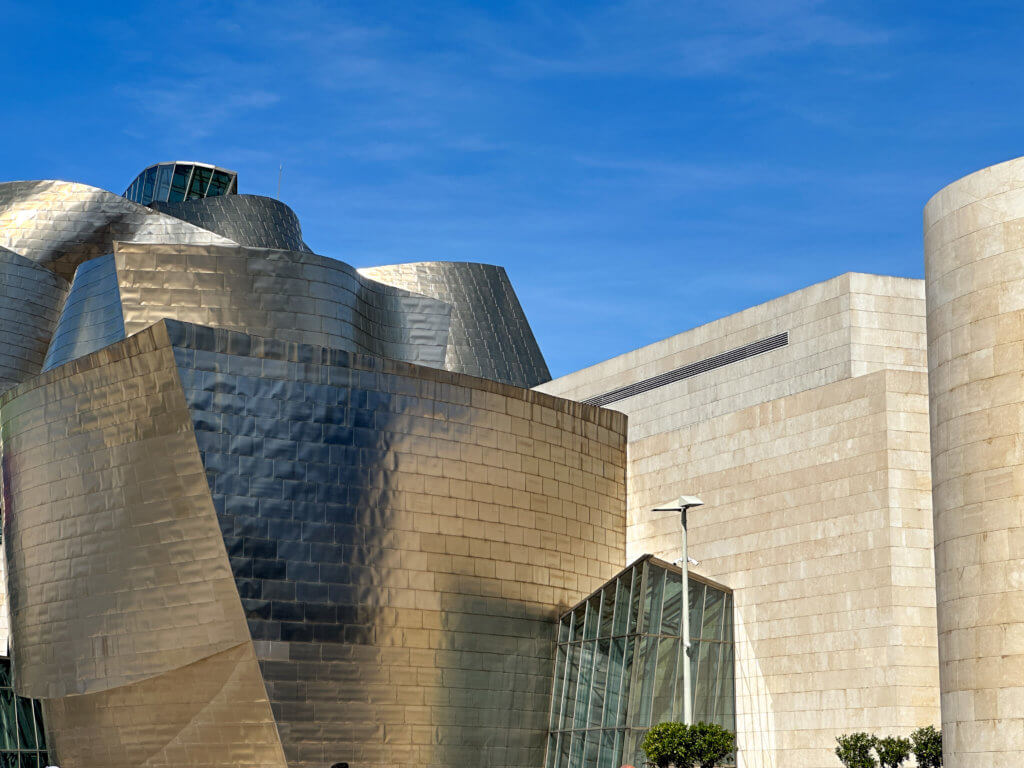
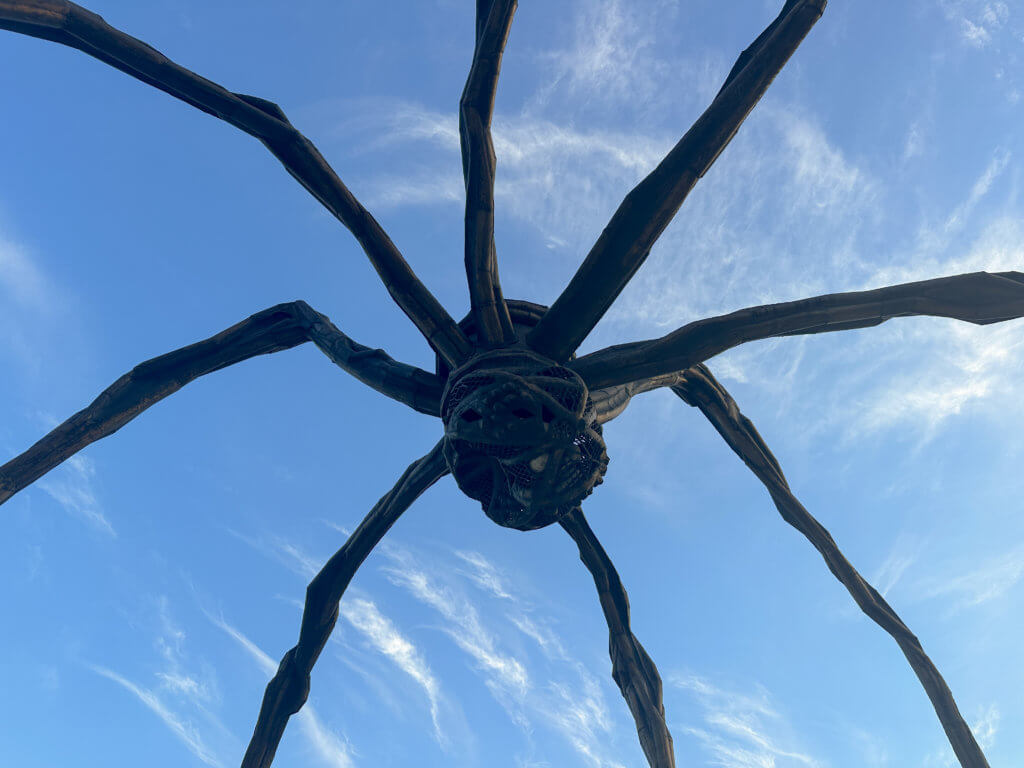
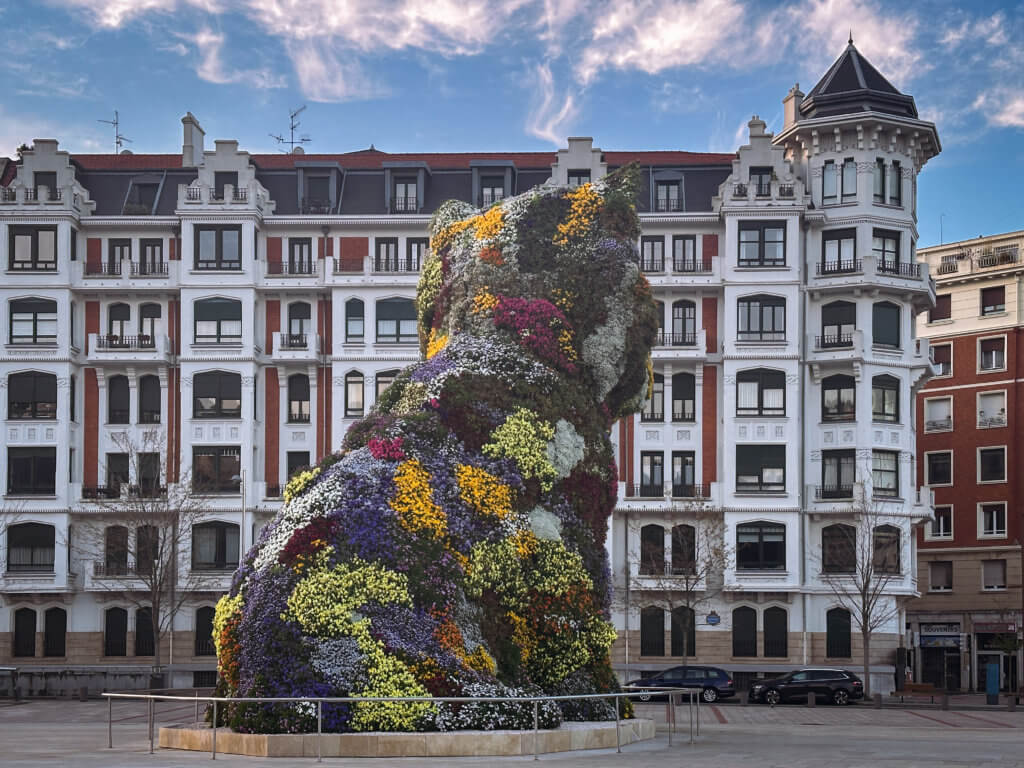
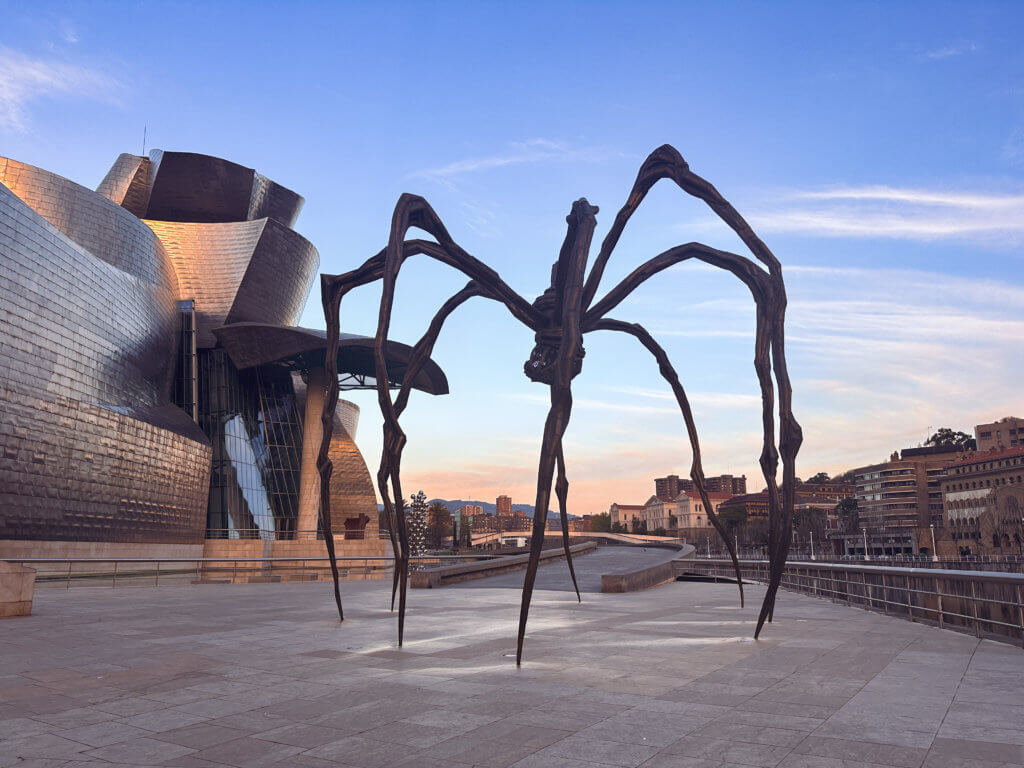
If you happen to be visiting Bilbao during Easter, be sure to check out our guide to La Semana Santa, with a special focus on Easter in Basque Country.
San Sebastián
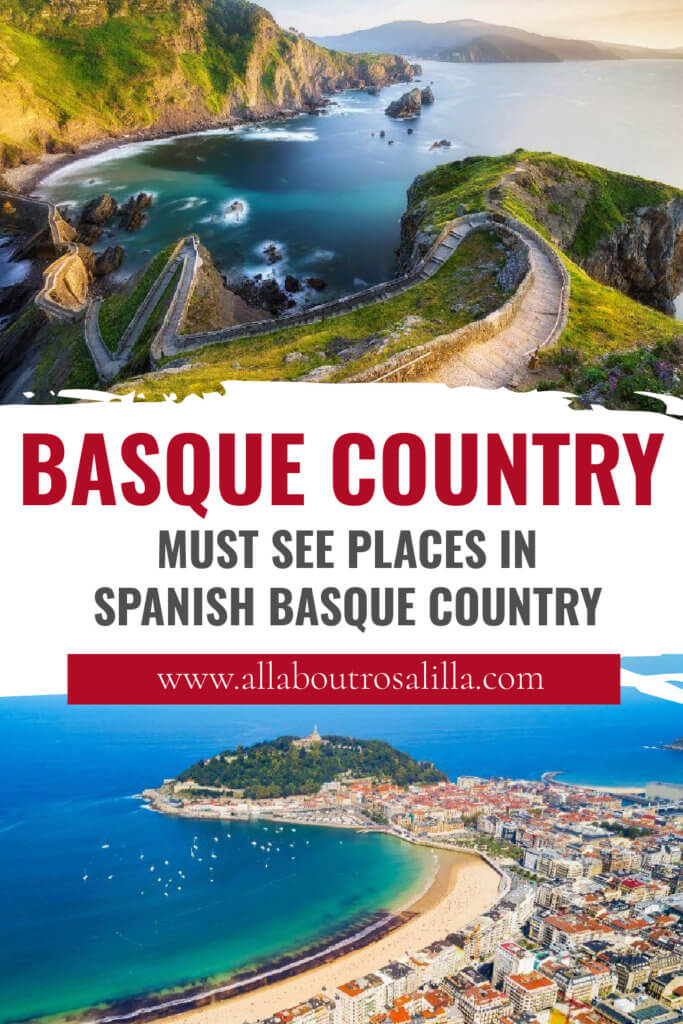
San Sebastián, or Donostia, as it is called in Basque, has a circular bay with pristine white sand beaches that have long attracted visitors in search of sun and sophistication. There is so much to love about this impressive city on the Cantabrian Sea, from mouth-watering food, beautiful Belle Époque buildings and immaculate white sandy beaches.
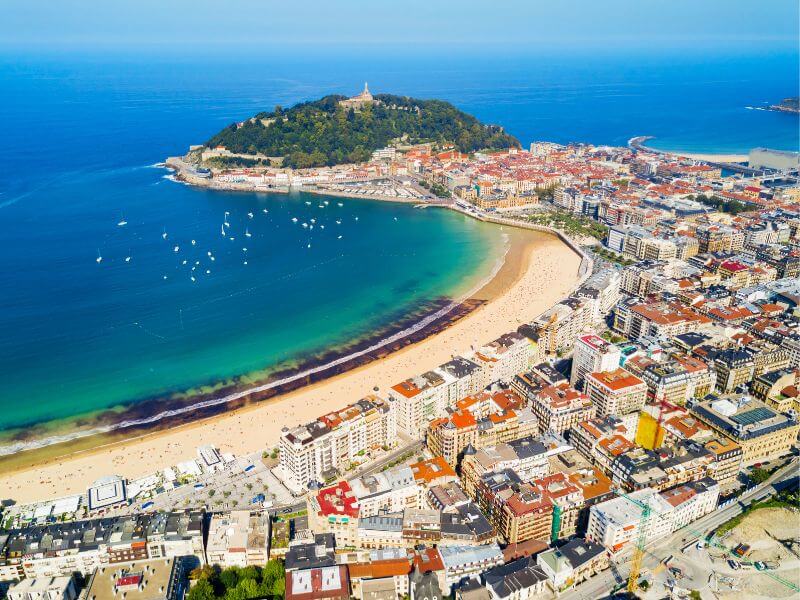
The most stunning urban beach in Europe, La Concha, is studded with opulent beachfront houses and the well-known spa, La Perla (The Pearl). Its boardwalk is lined by an ornate white railing that has become a symbol of the city. Ondarreta and Zurriola are two other, more laid-back, beaches in the city. Zurriola has become a favourite spot for surfers in the area.
We recommend doing a boat tour of the bay with a stop on Santa Clara Island.
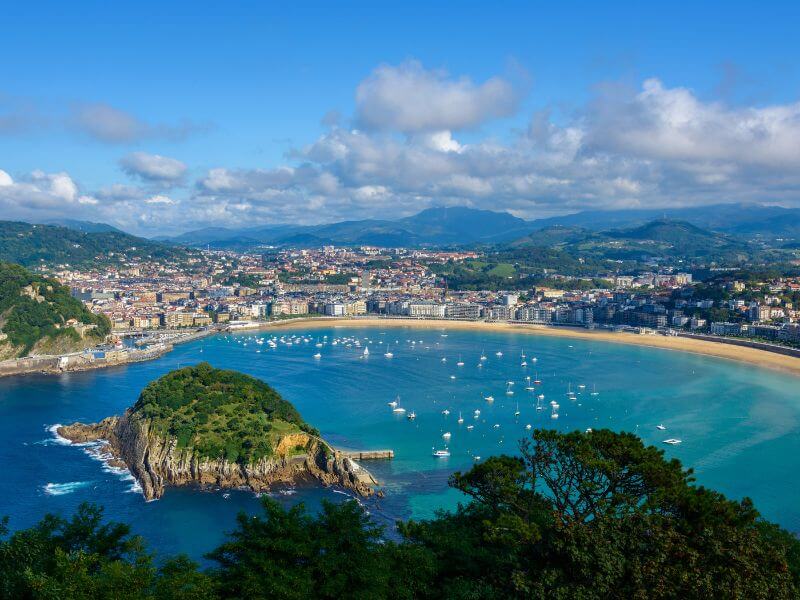
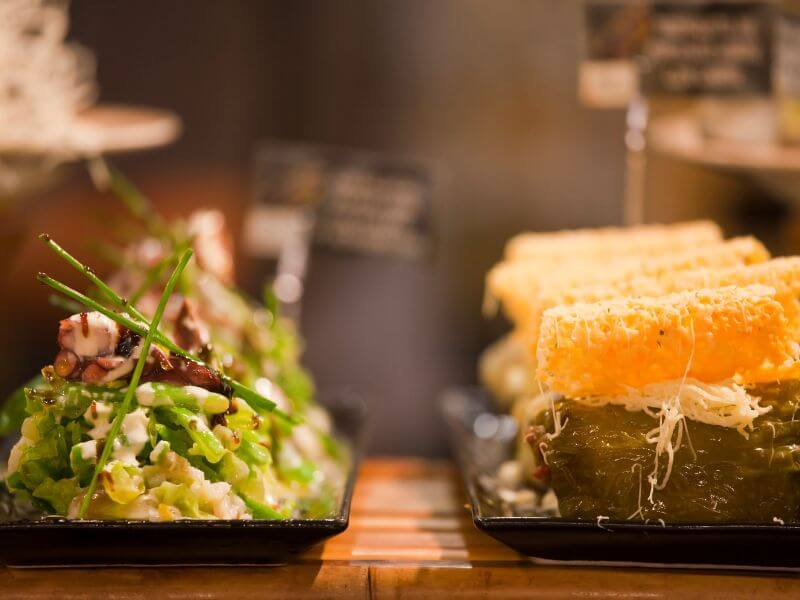
Perhaps what San Sebastián is best known for is its gastronomy. People visit from all over the world to try the cuisine there, and the city has 14 Michelin stars spread across 6 restaurants. The city is also famous for its pintxo. The (informal) rule is one pintxo and one drink in each restaurant, so you get to try as varied a menu as possible. A great way to enjoy the gastronomy of this fabulous city is by taking a guided food tour with pintxo and wine or if you really want to know what the locals eat, take an authentic Basque cooking class.
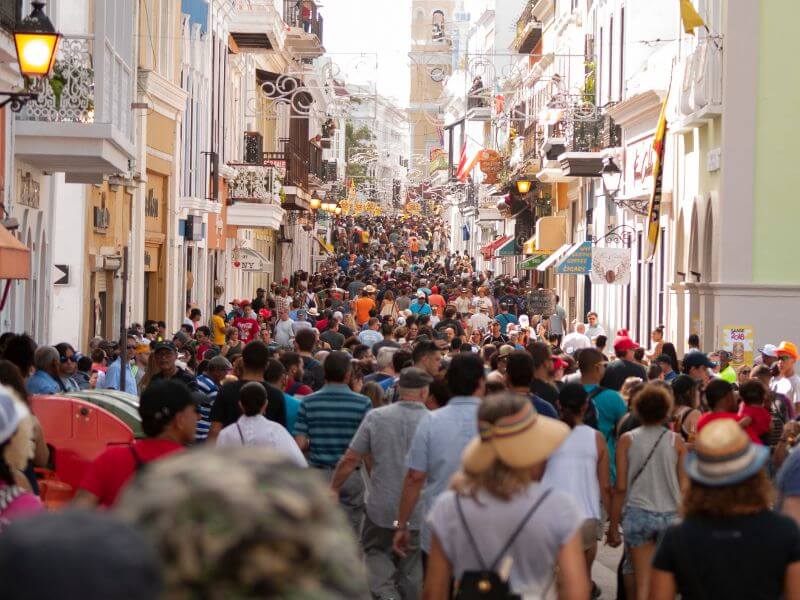
The best place to go to try some of them is La Parte Vieja (Old Part). This charming old city centre is famous for having the highest concentration of bars in the world and you are guaranteed to find incredible food there. From pintxo bars like La Cuchara de San Telmo to Michelin-starred wonders such as Arzak, it’s easy to see why the city is considered Europe’s best city for foodies.
Be sure to also check out San Telmo museum located in the Old Town at the foot of Mount Urgull. It was established in 1902, meaning it is the oldest museum in Basque Country. It is dedicated to Basque culture and history, providing visitors with a deeper insight into present day Basque society. It is one of the best places to visit in Basque Country.
Vitoria-Gasteiz
Vitoria-Gasteiz is the capital of the Basque Country and it is a must see city when visiting Spanish Basque Country. While it is not the biggest city in the autonomous region, there is a lot to learn about the Basque culture, language, and history in the city. Not only is it home to the Basque Parliament, but the city also offers one of the best preserved medieval old towns in Europe. While the famous beaches and coastal villages often steal the spotlight, no tour of the best places to visit in Basque Country is complete without heading inland to discover the best things to do in Vitoria-Gasteiz, a city that perfectly balances medieval history with its title as a European Green Capital.
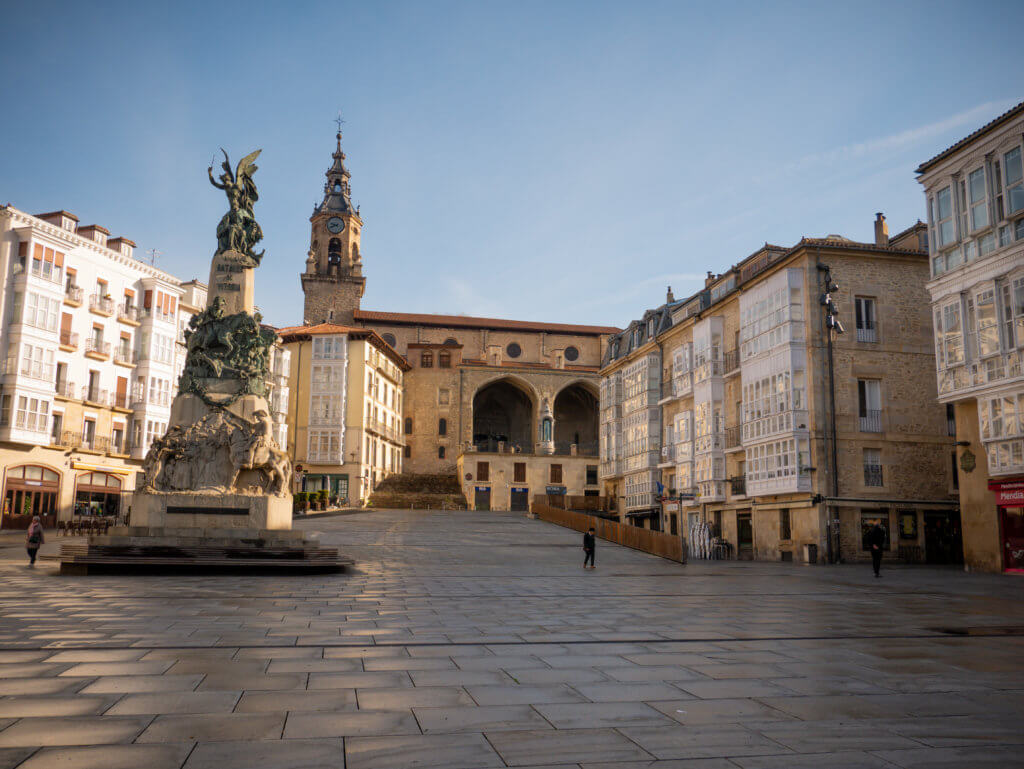
Vitoria-Gasteiz is perhaps the most modest of all the Basque cities. It doesn’t have a beautiful beach like San Sebastián or the Guggenheim Museum like Bilbao, and therefore is often overlooked by visitors to Basque Country. But don’t be so quick to skip it. There are many things that make Vitoria-Gasteiz unique and worth visiting.
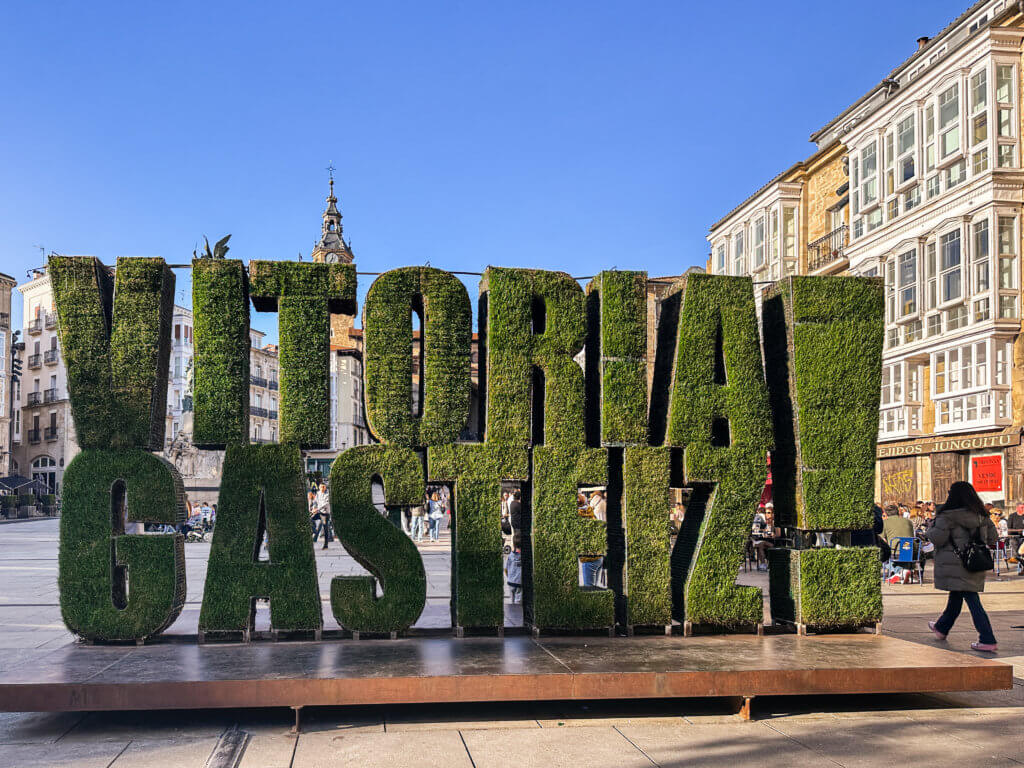
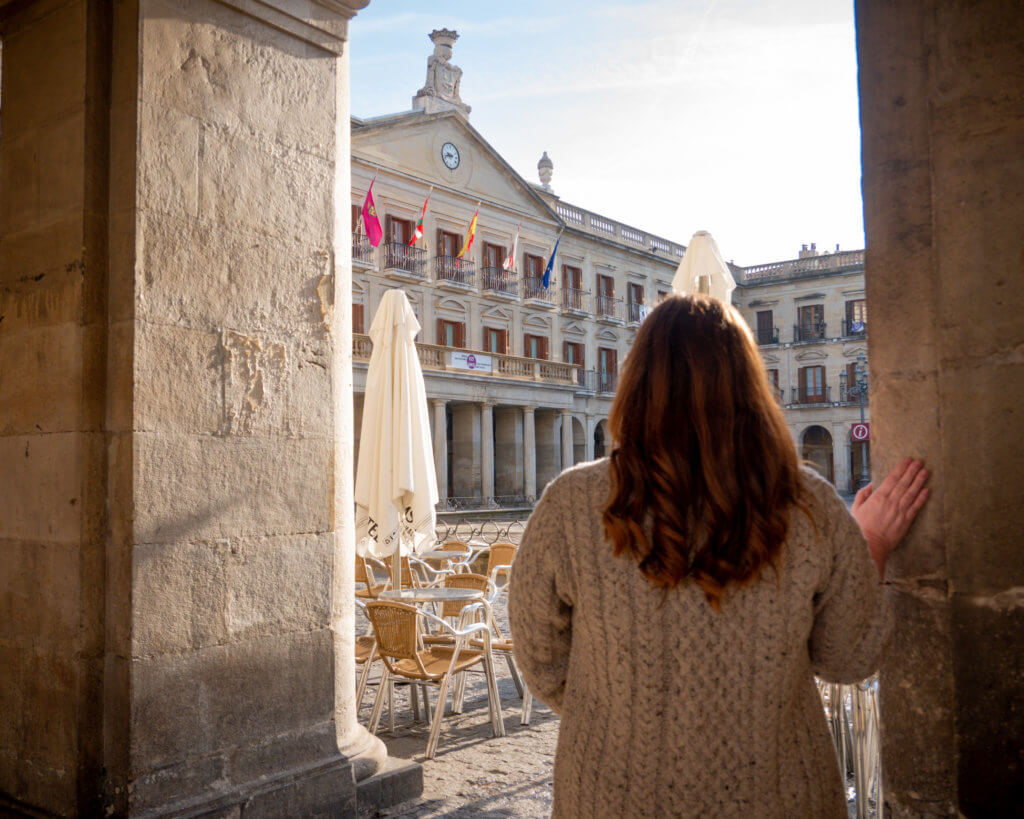
The city has preserved its magnificent medieval centre (Casco Viejo), which can be easily identified by its outline that resembles the shape of an almond. Santa Maria Cathedral is a spectacular 13th-century Gothic building located in this neighbourhood with an incredible, immersive, virtual reality experience that was one of our favourite things to do in Vitoria.
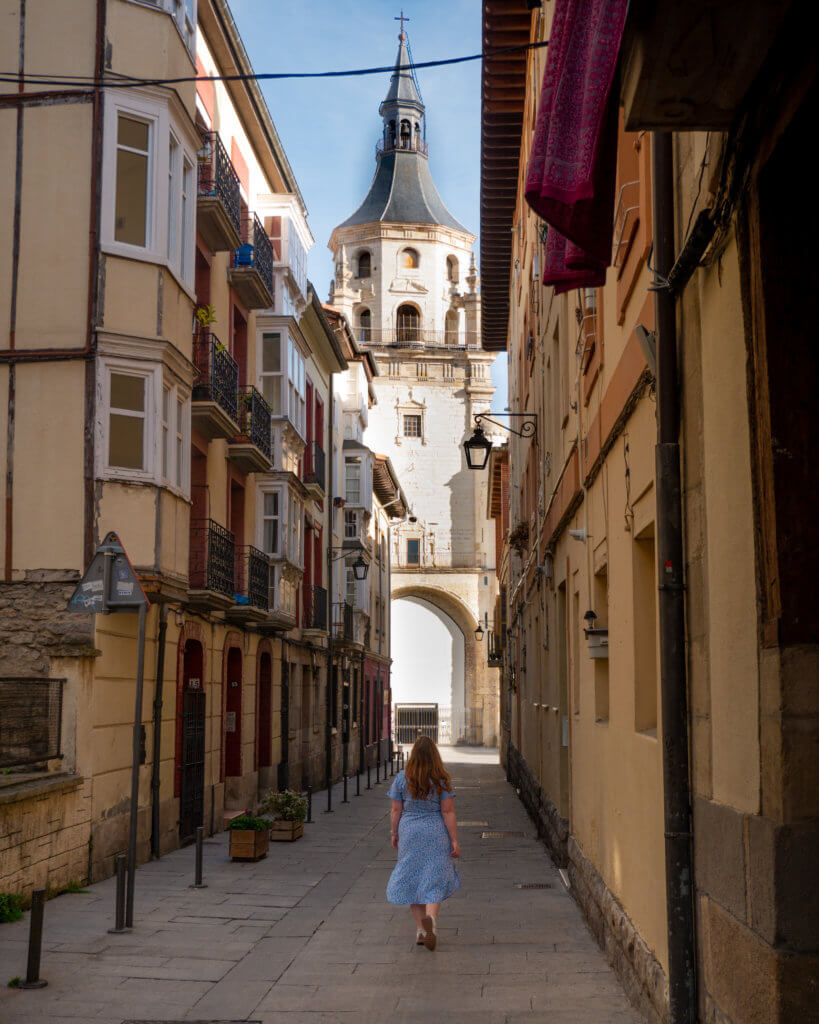
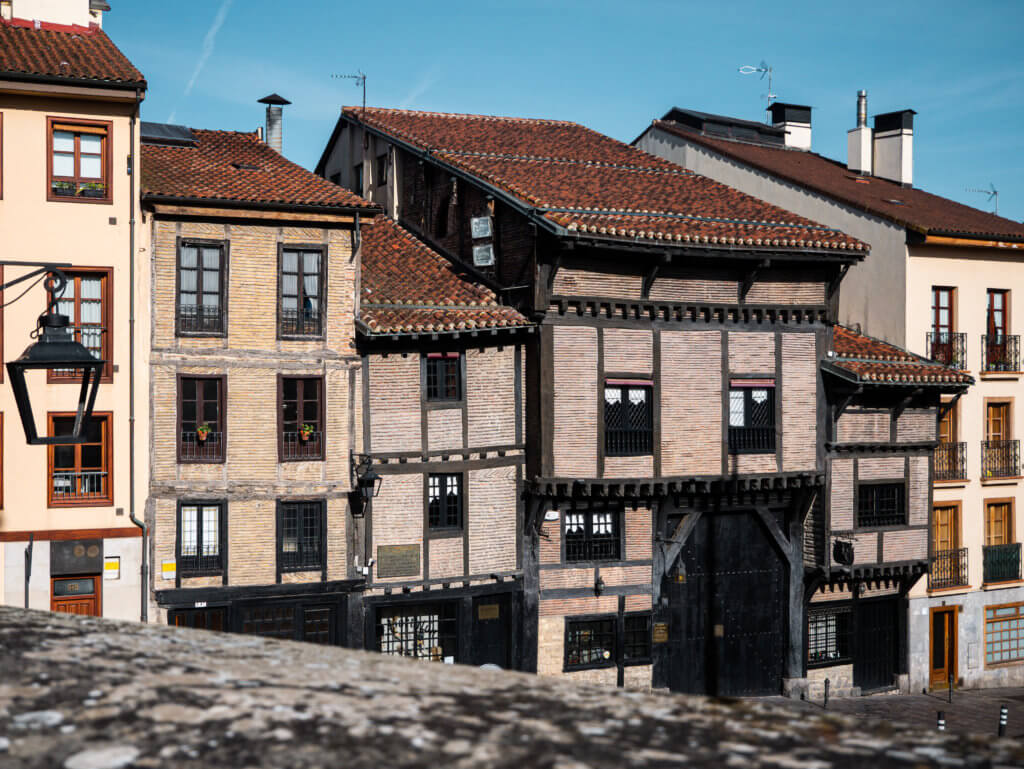
You could easily spend an entire day munching your way through the lively tiny bars on the bustling Calle Cuchillera, or “Kuxti,” as it is known locally. One of Spain’s greenest cities, Vitoria-Gasteiz, even had the title of European Green Capital in 2012. If you are looking for a great hotel to stay in, then we highly recommend the Nirea Hotel. It is located in a century-old building on one of the main streets of the city centre. It is the perfect base for exploring Vitoria-Gasteiz on foot. The rooms are so relaxing, and you can completely disconnect and rest after a busy day exploring the city.
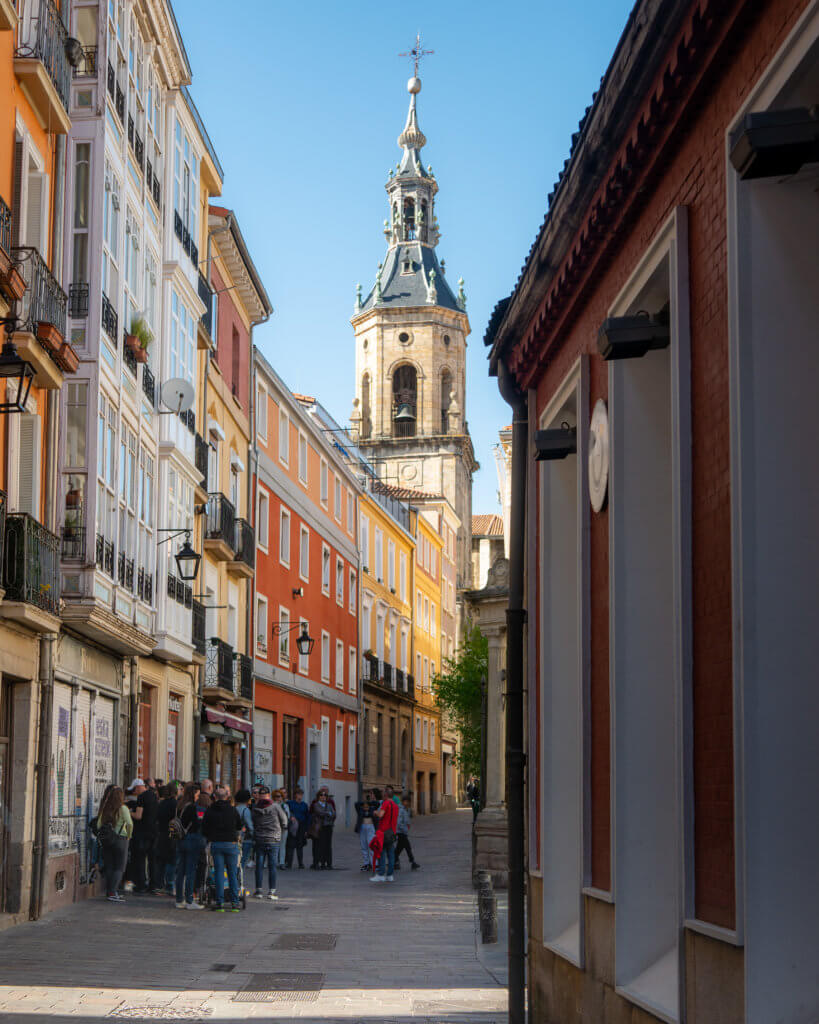
Check out our blog on the best things to do in Vitoria-Gasteiz to fully help you plan your time there.
San Juan de Gaztelugatxe
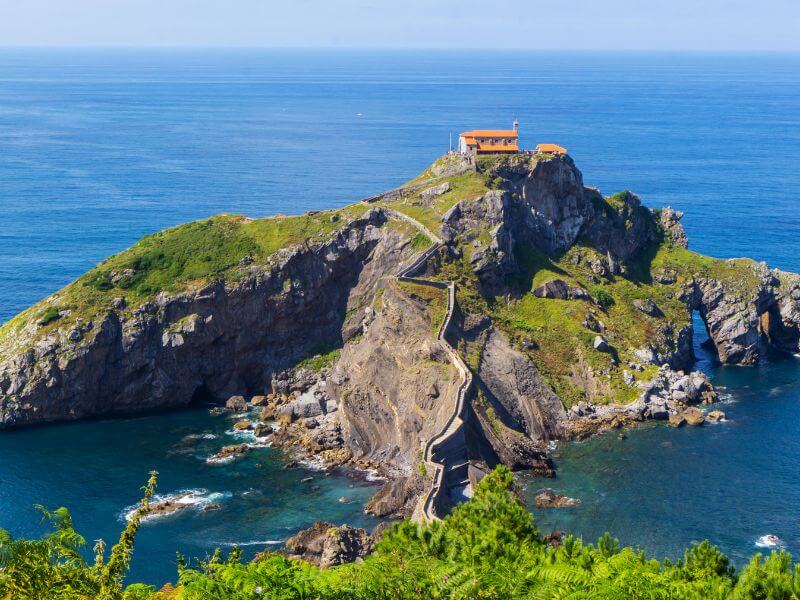
San Juan de Gaztelugatxe is a magical islet located along one of the most scenic roads, only an hour’s drive from Bilbao. It recently came to the attention of tourists as it was used as a Game of Thrones filming location for Dragonstone in the show. As a result, it has become a popular spot for tourists and fans of the show. Aim to get there early to ensure some crowd-free shots and an easier trek down the path.
Did you know? San Juan de Gaztelugatxe famously served as Dragonstone filming location in Game of Thrones. Even if you aren’t a fan of the show, the 241 steps to the 10th-century hermitage offer the most iconic views of the Basque Coast.
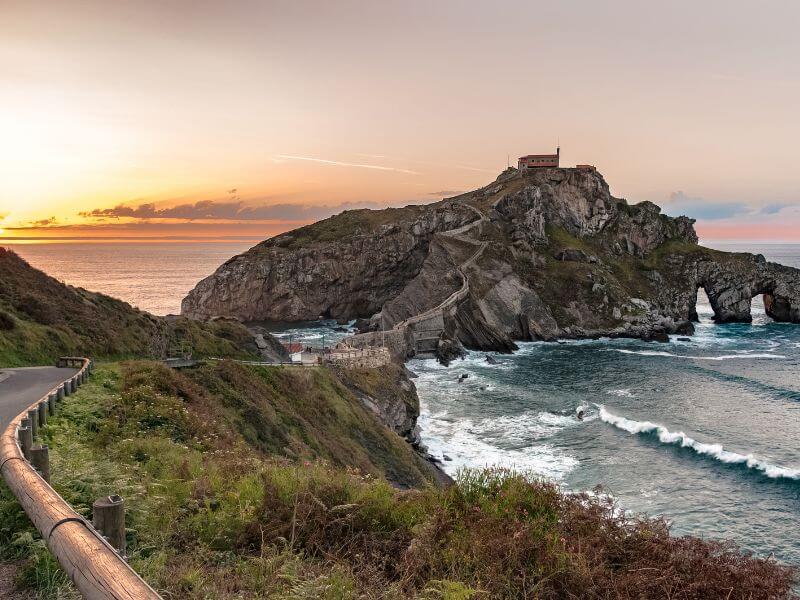
The hike begins in the seaside town of Bakio, and from there, you will follow the gently sloped track up to the top of the cliff, catching glimpses of Gaztelugatxe as you go. Once you reach the car park at the top, it’s just another half an hour down to the base of the cliff and the bridge across to the famous “Dragonstone.” You could skip the hike from Bakio and drive straight to the car park, if you prefer, but you would be missing out! It’s really not difficult, and the views are out of this world.
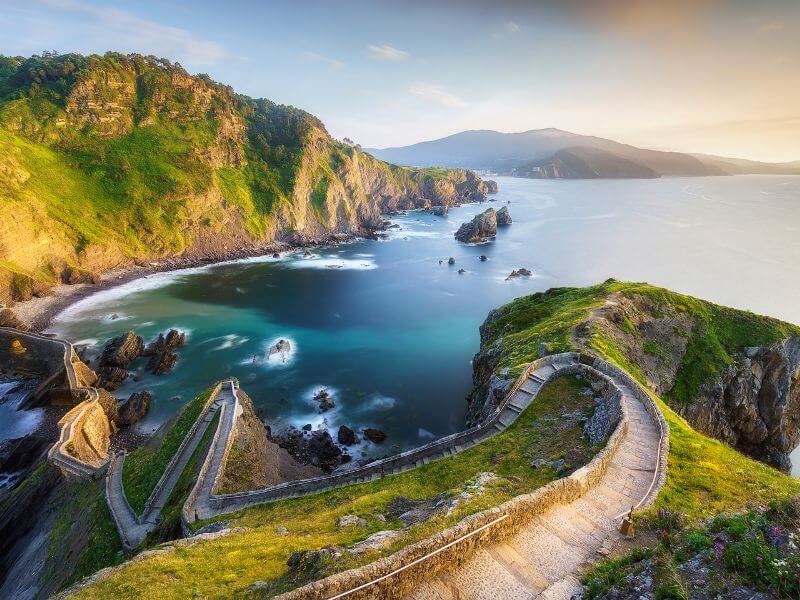
Take some time at the bottom to watch the waves crash against the black rocks. This is the best place for a picture of the winding path up to the top of Gaztelugatxe.
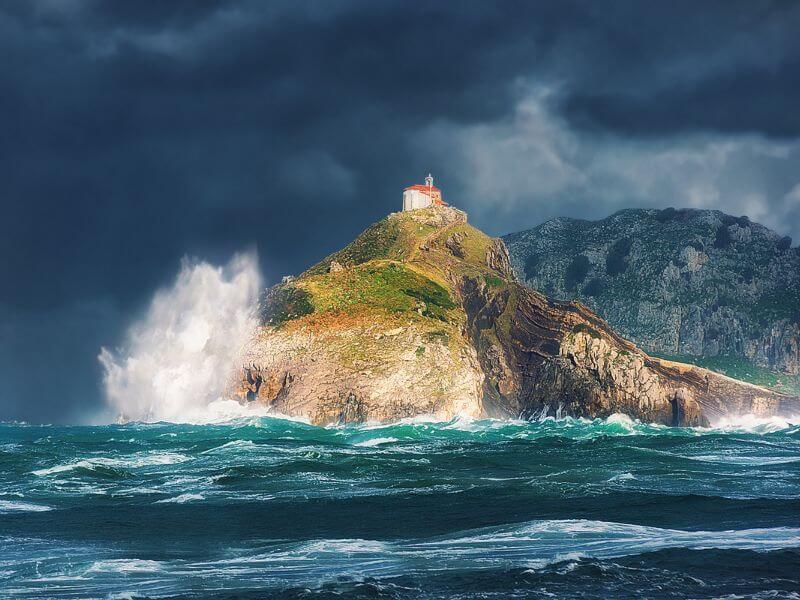
Finally, climb the 240 stone steps to the small chapel at the top and take in the amazing views across the Bay of Biscay. The chapel has been destroyed and rebuilt several times due to fires, looting, and the unforgiving Basque weather, which just makes it feel even more like a fairytale. The story goes that ringing the church bell three times will bring you luck. Whether that is true or not, it is such a unique place to visit in Basque Country.
Laguardia
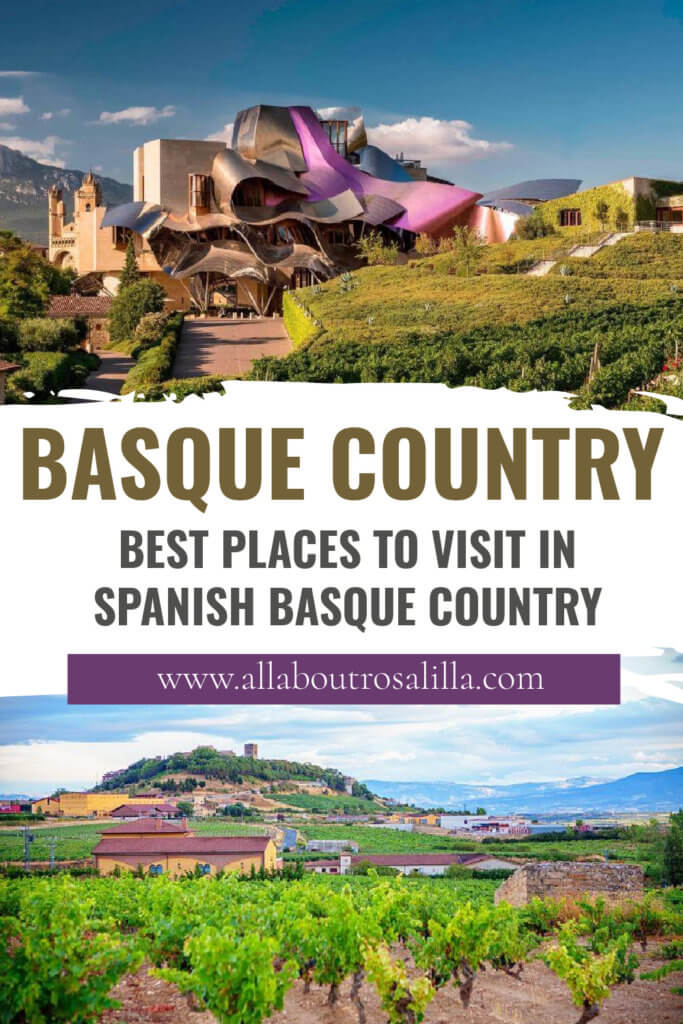
Laguardia is a beautiful walled town in Basque Country, located on a hill in the middle of a valley. It is a picture-perfect town, surrounded on all sides by vineyards against the backdrop of the Cantabrian mountains. There, you can enjoy a walk through medieval narrow streets and stop at one of the multiple bars to try some local wine and a pintxo.
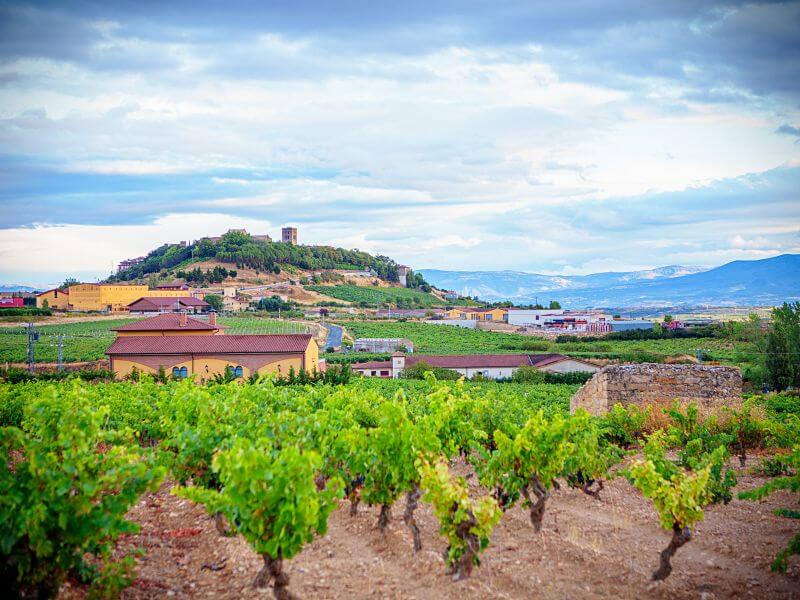
This town looks like it came right out of the pages of a fairytale, and it is a must-visit during your time in Basque Country. Visit one of the wine cellars under the town houses and take a tour to discover how wine has been made in this area for centuries.
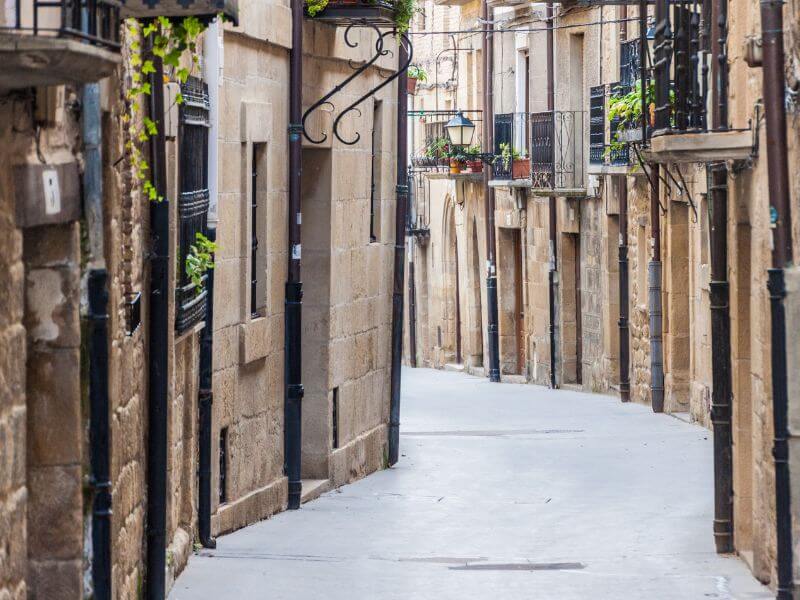
If you have the time, walk around the village, outside the wall. You will have a better view of the wall itself and find a nice, quiet green area for relaxing with nice views of the surrounding vineyards. In the main square, there is also an interesting pendulum clock that opens at certain times during the day, and three figures come out to dance to a traditional song.
Rioja Alavesa
You can’t come the whole way to Basque Country without exploring the vineyards of Rioja Alavesa. The most common cities to stay in to explore the Rioja Alavesa are Haro and Logrono, which both happen to be in the La Rioja autonomous region at the edge of the Basque Country. If you don’t plan a trip this way, you can reach wineries on a day trip from either Bilbao or San Sebastián. If you plan on driving, it takes about 90 minutes to reach some of the best wineries. We recommend visiting Bodegas Baigorri and Bodegas de la Marquesa.
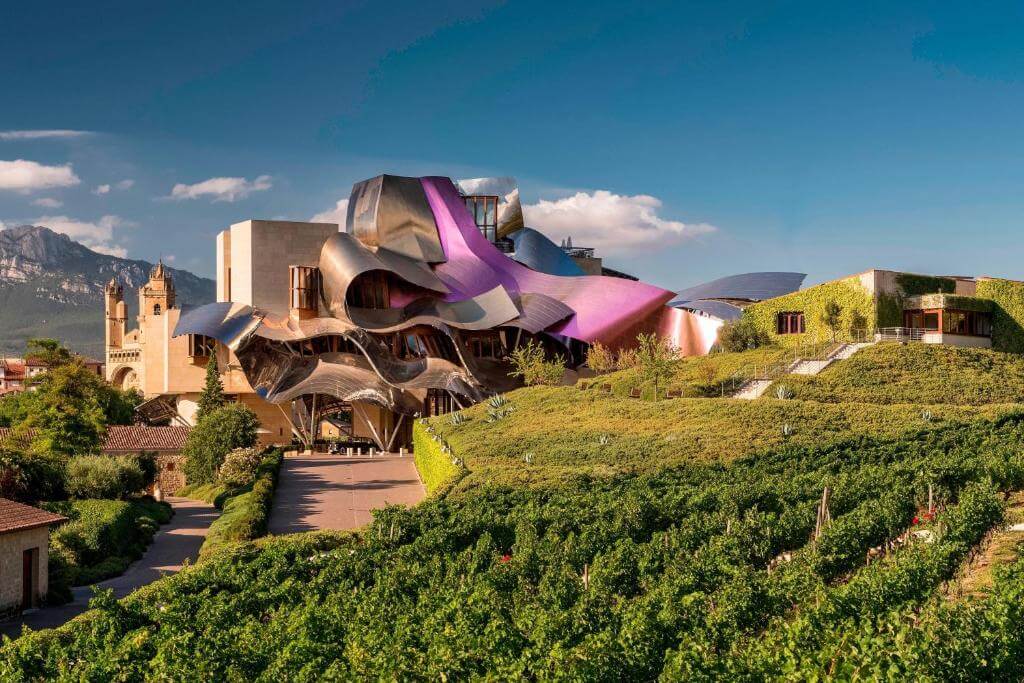
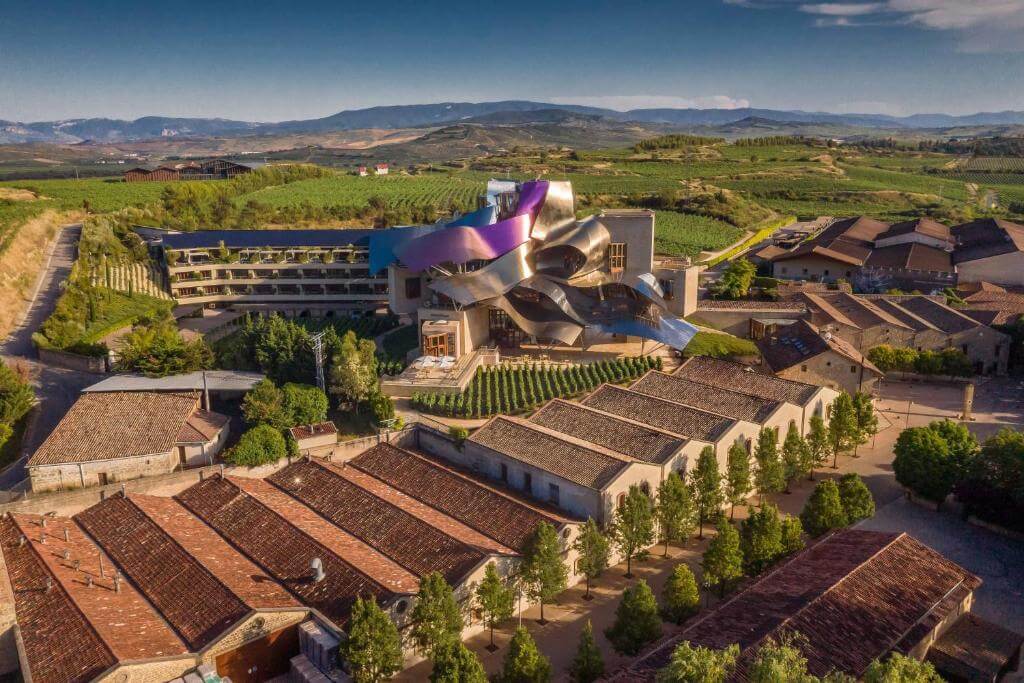
Some of the wineries can arrange unique activities as well, including horseback riding and Segway tours of the vineyards. Make sure you stay at the mind-blowing Marqués de Riscal winery and hotel designed by the Canadian architect Frank Gehry. Like the Guggenheim Museum in Bilbao, the hotel is covered by titanium. However, the titanium contains some pink and gold tones in addition to its natural silver tone. The colour palette is based on the wine and the bottles from Marqués: pink for the wine, gold for the metal net that covers the bottle, and silver for the foil around the cork. Watching the sun set over the vineyards from the library terrace is a must.
This quaint little town, where the hotel is located, dates back to 1067 and is typical of the villages found in the Rioja wine region. In the centre, there is a town hall, and nearby are a few restaurants and bars where you can sample local wines.
Ysios Winery
Located just north of Laguardia, you will find the chic and truly avant-garde winery of Ysios. This pixilated-looking landmark was designed by architect Santiago Calatrava and opened its doors in 2001.
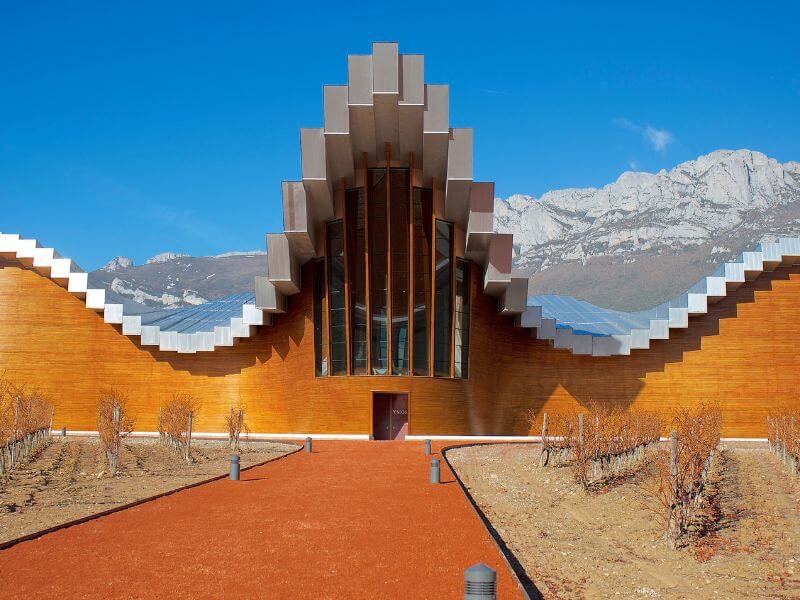
This extremely long building can be seen from afar. Gigantic bars of aluminum form the wavy roof, mirroring the mountains in the background and fitting seamlessly into its surroundings. The body of the building is made out of copper-stained cedar, bearing resemblance to that of giant wine barrels.
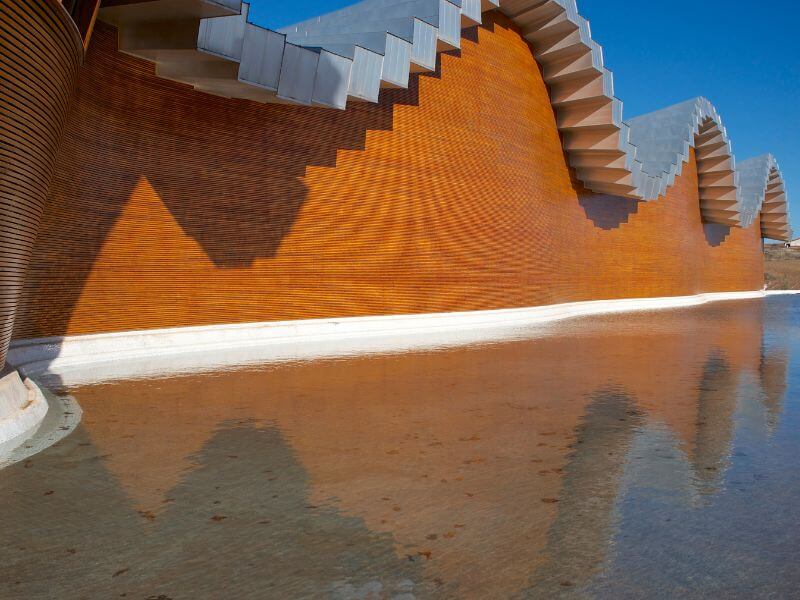
Even if you don’t go in for a tour, you should still take a walk around the building. It is really like a sculpture and takes on a whole different look depending on your angle and distance from it. If you do want to take a tour of the winery, make sure that you book in advance.
Mundaka
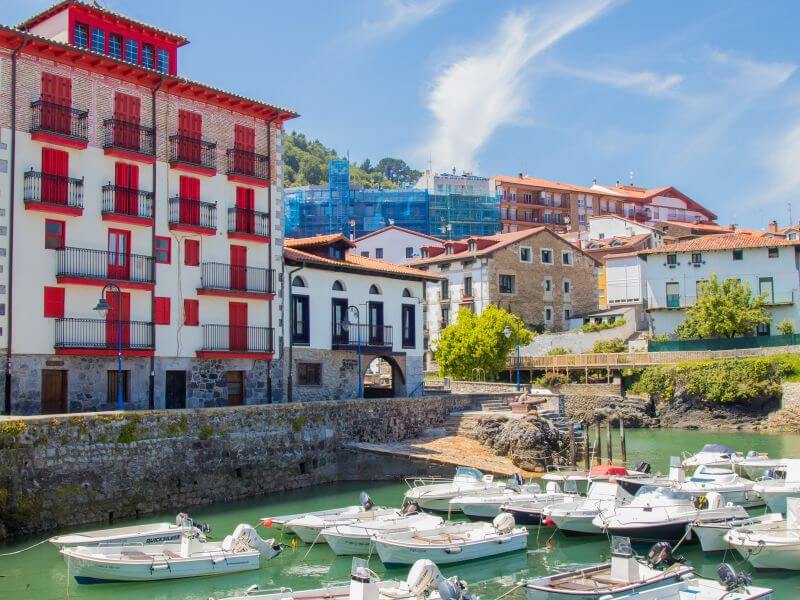
Mundaka is a picturesque fishing village and surfer paradise in the north of Basque Country. It is a small but enchanting town and is one of the best places to visit in Basque Country. Apart from watching the surfers, you can also enjoy the amazing views of Izaro Island, the Ogoño Mount and the estuary of the Urdaibai River, the most iconic area of the Urdaibai Biosphere Reserve.
Hondarribia
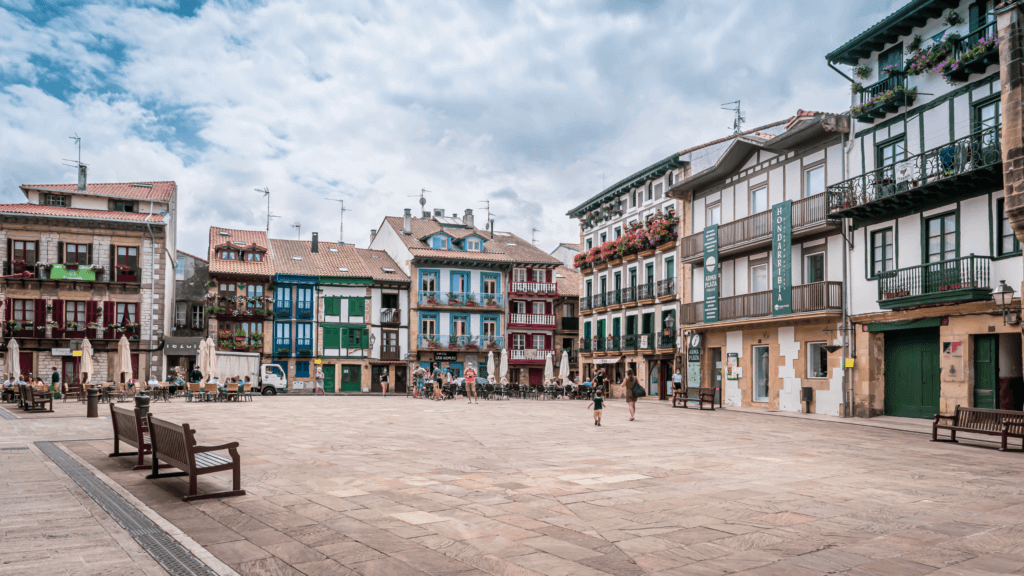
Hondarribia is a captivating coastal gem situated on the border of Spain and France, offering a perfect blend of medieval history and vibrant maritime culture. You can begin your exploration at the Puerta de Santa María, a majestic stone gate that serves as the main entrance to the fortified old quarter. This historic area is a maze of cobbled streets and colourful Basque houses with painted wooden balconies, leading up to the imposing Castle of Charles V, which now functions as a Parador hotel. Beyond the ancient walls, the La Marina neighbourhood provides a lively contrast with its brightly painted fishermen’s houses and a high concentration of bars and restaurants famous for their pintxos. For those seeking natural beauty, the town boasts an 800-metre sandy beach and stunning panoramic views of the Basque coastline from the nearby Jaizkibel Mountain.
The Flysch Cliffs
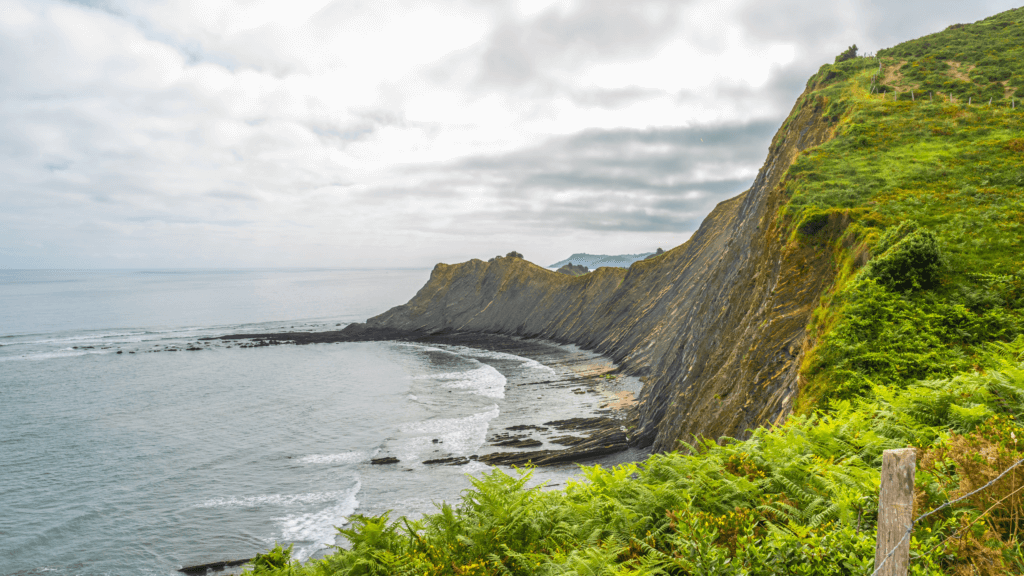
The Flysch Cliffs, located within the UNESCO Global Geopark between the towns of Zumaia and Deba, are one of the most scientifically significant and visually stunning landmarks in the Basque Country. These extraordinary geological formations resemble giant “stone book pages” stretching into the Atlantic Ocean.
What is Flysch?
Flysch is a sequence of sedimentary rock layers formed over millions of years by the accumulation of sediments on the ocean floor. The dramatic vertical layering you see today is the result of tectonic plates colliding, which pushed these ancient seabed layers upward to form the rugged coastline.
Why You Can’t Miss Them:
• A Journey Through Time: The cliffs contain a continuous geological record covering over 60 million years of Earth’s history, including evidence of the mass extinction of the dinosaurs.
• The “Dragonstone” Connection: If the jagged rocks look familiar, it is because they served as a primary filming location for the shores of Dragonstone in Game of Thrones.
• Itzurun Beach: Located at the foot of the cliffs in Zumaia, this beach offers the best vantage point to see the formations up close while walking along the dark, dramatic sands.
Best Way to Experience the Geopark:
To truly appreciate the scale of the cliffs, we recommend taking a guided boat tour from the harbour in Zumaia. Seeing the vertical strata from the water provides a perspective you simply can’t get from the clifftop trails. If you prefer hiking, the coastal path between Zumaia and Deba offers breathtaking panoramic views of the Bay of Biscay and the crashing waves below. You may also like this private tour of Gaztelugatxe, Gernika, and Flysch with luch to combine all three must see places in Basque Country.
To capture the full drama of the Flysch cliffs, timing is everything. Because the most intricate “stone book” formations are located on the seabed, they are completely submerged during high tide.
Photography Tip: Mastering the Flysch
• Check the Tide Tables: Aim to arrive at Itzurun Beach at least one hour before low tide. This reveals the sprawling, jagged rock ribs that lead the viewer’s eye directly toward the cliffs.
• Golden Hour Magic: The cliffs face west, making sunset the ultimate time for photography. The setting sun hits the vertical strata, turning the grey limestone into glowing shades of orange and gold.
• Use a Long Exposure: If you have a tripod, use a slow shutter speed to blur the crashing Atlantic waves against the sharp, static edges of the rocks. This creates a misty, ethereal contrast that highlights the ruggedness of the Bay of Biscay.
• Scale and Perspective: To show the true magnitude of these 60-million-year-old walls, include a person in the frame (perhaps walking along the dark sands) to provide a sense of scale.
What is the best place to visit in Basque Country?
While “best” is subjective, San Juan de Gaztelugatxe is arguably the most spectacular spot in the region. The narrow stone bridge winding up to a 10th-century hermitage on a craggy island is a sight you will never forget. For urban lovers, the Guggenheim Museum in Bilbao is the undisputed cultural highlight.
What is the most beautiful town in Basque Country?
Many locals and travellers agree that Hondarribia is the most beautiful town. Located right on the border with France, it features a perfectly preserved medieval walled centre and the Barrio de la Marina, which is lined with traditional Basque houses painted in vibrant greens, blues, and reds.
What not to miss in Basque Country?
• A Pintxo Crawl: Especially in the Parte Vieja of San Sebastián.
• The Flysch Cliffs: Take a boat trip or hike between Zumaia and Deba.
• A Rioja Alavesa Wine Tasting: Visit the futuristic wineries in Laguardia.
• Mount Igueldo: For the iconic panoramic view of La Concha Bay.
Which is nicer, Bilbao or San Sebastián?
This is the ultimate Basque debate! San Sebastián is “the beauty”, it is glamorous, coastal, and romantic, perfect for a beach holiday or a luxury food tour. Bilbao is “the brain”, it is gritty, cool, and artistic, offering a more “real” city feel with incredible museums and industrial history. If you love the beach, choose San Sebastián; if you love culture and architecture, choose Bilbao. Ideally, you should visit both as they are only 75 minutes apart! Check out our Bilbao guide to see what we really think of this city.
3-Day Basque Country Itinerary: Coastal Gems & Culture
If you only have a few days to explore Northern Spain, this 3-day route covers the perfect balance of avant-garde architecture, medieval history, and the rugged Atlantic coastline.
Day 1: Bilbao & The Riverside Charm
Start your journey in Bilbao, the industrial heart turned cultural capital. Spend your morning at the Guggenheim Museum, where the titanium curves are just as impressive as the art inside. Afterwards, cross the Zubizuri Bridge and head into the Casco Viejo (Old Town). Here, you can wander through the “Seven Streets” and enjoy your first authentic pintxo crawl at Plaza Nueva. End your day by taking the funicular up to Mount Artxanda for a panoramic sunset view over the city.
Day 2: The Game of Thrones Coast
On your second day, head west to experience the wild beauty of the Biscay coast. Your first stop must be San Juan de Gaztelugatxe, the 10th-century hermitage famously known as Dragonstone from Game of Thrones. After climbing the 241 stone steps, continue to the charming fishing village of Bermeo for a fresh seafood lunch by the harbour. In the afternoon, visit the Basque Coast Geopark in Zumaia to see the unique “Flysch” rock formations, dramatic limestone cliffs that look like giant stone book pages reaching into the sea.
Day 3: San Sebastián & The Culinary Finale
Conclude your trip in San Sebastián (Donostia), the glamorous queen of the Basque coast. Spend the morning relaxing on the golden sands of La Concha Beach or walking up Monte Igueldo for the city’s most famous viewpoint. For lunch, dive into the Parte Vieja (Old Town), which has the highest concentration of bars in the world. Sample local specialities like grilled octopus or the famous burnt Basque cheesecake at La Viña. If you have time before departing, take a short drive to the colourful border town of Hondarribia to see its fortified walls and brightly painted wooden balconies.
What to pack for Basque Country
Basque Country Packing List: Essentials for Every Season
The weather in Northern Spain is notoriously unpredictable. It is not uncommon to experience “four seasons in one day,” with bright sunshine quickly turning into the local fine mist known as sirimiri. To stay comfortable while exploring the coast and the cities, you should focus on layers and durability.
• A High-Quality Rain Coat: Even in the height of summer, a lightweight, waterproof jacket is essential. Avoid heavy umbrellas, as the coastal winds in places like San Juan de Gaztelugatxe can be quite strong.
• Sturdy Walking Shoes: Between the cobblestones of Bilbao’s Casco Viejo and the 241 steep steps to Dragonstone, your feet will do a lot of work. Choose waterproof trainers or leather boots with good grip.
• The “Pintxo-Ready” Outfit: While the Basque Country is sophisticated, it is rarely “black tie.” A smart-casual approach works best for evening pintxo crawls in San Sebastián. Think dark denim, comfortable stylish shoes, and a light knit or blazer for the cooler evenings.
• A Reusable Water Bottle: Tap water in the Basque Country is some of the cleanest in Spain. Save money and reduce plastic waste by refilling your bottle as you go.
• Portable Power Bank: Between using Google Maps to find hidden bars and taking hundreds of photos of the Flysch cliffs, your phone battery will drain quickly. A portable charger is a must for long days out.
• A Small Daypack with a Rain Cover: To keep your camera and essentials dry while hiking the coastal paths or exploring the Guggenheim Museum.
Pro-Tip: If you plan on visiting the Rioja Alavesa wine region as part of your trip, bring a padded wine sleeve in your suitcase—you will almost certainly want to bring a bottle of local Tempranillo or Txakoli home with you!
Mini Basque (Euskara) Language Guide for Travellers
In the Basque Country, people are incredibly proud of Euskara (the Basque language). While everyone speaks Spanish, using a few Basque words will open doors and win you smiles at any pintxo bar.
Euskara is a “language isolate,” meaning it is unrelated to any other known language in the world. You don’t need to be fluent, but mastering these five basics will make your trip much more immersive.
• Hello: Kaixo (pronounced Kai-sho)
• Thank you: Eskerrik asko (pronounced Es-ker-rik as-ko)
• Goodbye: Agur (pronounced Ah-goor)
• Please: Mesedez (pronounced Meh-seh-dehs)
• Cheers!: Topa! or Osasuna! (pronounced Toh-pah or Oh-sah-soo-nah)
Key Pronunciation Elements:
• X: Pronounced like “sh” in “shop”.
• Tx: Pronounced like “ch” in “cheese”.
• Tz: Pronounced like “ts” in “cats”.
• R: Strongly rolled, especially when doubled.
Three Words Every Foodie Should Know:
1. Pintxo: (Peen-cho) The Basque version of tapas, usually served on a small slice of bread with a toothpick.
2. Txakoli: (Cha-ko-lee) A refreshing, slightly sparkling local white wine poured from a height.
3. On egin!: (On eh-geen) This is the Basque version of “Bon appétit.” Use it when your food arrives at the table!
Local Pro-Tip: You will often see the word “Sirimiri” mentioned in Bilbao. It refers to the very fine, light drizzle that is iconic to the region. If it starts to rain lightly, tell a local, “Ah, just a bit of sirimiri!”…they will be highly impressed.
Wrapping up our journey through the Basque Country, it is clear that this region is a world unto its own. From the Guggenheim’s modern titanium curves in Bilbao to the historic, bustling pintxo bars of San Sebastián, it is a destination that harmoniously blends ancient traditions with avant-garde art.
The diverse landscapes, ranging from the dramatic, layered Flysch cliffs and the “Dragonstone” steps of San Juan de Gaztelugatxe to the lush, green mountains of the interior, offer a refreshing perspective on Spain that many travellers never see. Whether you are wandering through the colourful, medieval streets of Hondarribia or driving along scenic coastal roads, the Basque Country consistently surprises and captivates.
Ultimately, the true magic of the region lies in its people, their proud culture, and the slow, relaxed pace of life. No matter how many days you spend here, you will likely leave with a deeper appreciation for this unique corner of Northern Spain and a strong desire to return.
Your Basque Country Adventure Starts Here
• Book Your Crossing: Ready to explore with your own car? Check out the Brittany Ferries routes from Rosslare or the UK to Bilbao and Santander.
• Plan Your Route: Use our 3-day itinerary as a starting point to see the highlights of the coast and the cities.
• Join the Conversation: Have you visited the Basque Country before? We would love to hear your favourite “hidden gems” or your top pintxo recommendation in the comments below!
• Share the Guide: If you found these tips helpful, pin this post to your Spain Travel board on Pinterest so you can find it later!
We hope this guide helps you find the best places to visit in Basque Country and makes it easier to plan your trip. If you found value in this blog post, we would really appreciate your comments below.
About us
We are Nicola and Ronan Lavin experts in finding unique accommodation all over the world. Voted as No.1 Travel Bloggers in Ireland by Stellar Magazine and the Top 10 Travel Influencers in Ireland by readers of the Irish Independent, we are dedicated to helping you find authentic and immersive travel experiences to help you plan your perfect vacation.
We’ve spent years exploring Ireland and have a real passion for finding the most unique places to stay — from dreamy luxury cabins tucked away in the woods to boutique hotels with a story to tell. We’re drawn to places that feel personal, thoughtful, and full of character. It’s not just about pretty interiors (although we do love those too), it’s about the feeling a space gives you. Somewhere that lets you switch off, reconnect, and make memories. That’s what we always look for, and it’s what we love sharing with you. We’re currently putting the finishing touches on a brand new guide featuring hundreds of the most unique places to stay and luxury hotels across Ireland. If you’re planning a romantic break, a wellness retreat, or just a cosy weekend away, this guide will be packed with inspiration. Sign up to our email list to be the first to hear when it launches — trust us, you won’t want to miss it.
**Disclaimer: Our trip to Basque Country was hosted by both Brittany Ferries and the Basque Country Tourist Board. We only ever work with brands that we are 100% happy to recommend to you guys and would happily pay for ourselves. Staying complimentary allowed us to fully experience the Basque Country, give honest reviews, and create content for you guys to enjoy. All opinions are our own. This post contains affiliate links, meaning that if you book through one of our links, we will receive a small commission at no extra cost to you. This helps us create the wonderful travel guides that we do**
Are you new here? Join thousands of other happy readers and subscribe to Our Unique Stays via email. The good news is that by signing up via email you will get exclusive travel deals straight to your inbox. The only other place that we publish these deals is on Instagram stories, so be sure to sign up to get the heads up on amazing travel deals to save you money when booking.
We also share everything about ourselves on Instagram with nothing held back so be sure to follow along there.
If you liked this, then you may also like:
Is Carcassonne worth visiting?
The best 2 day Prague itinerary
La Semana Santa, a guide to the Easter parades and traditions in Spain

Sharing is sexy!
Last year I embarked on a tour from the Mountains of Vitoria to the Biscay Coast in Basque Country and it was an absolute adventure!
From the rugged beauty of the mountains to the picturesque coastal landscapes… every moment was a feast for the senses.
Highly recommend this experience!
Maya
It really is a beautiful part of the world.